FRENCH TO ENGLISH BOOK & MANUSCRIPT TRANSLATION SERVICE
SPECIALISMS:
GENERAL HISTORY
MILITARY HISTORY
NAVAL HISTORY
HISTORY OF ART
HERITAGE/ MUSEUMS
OTHER: TRAVEL, WINE
A Message from the Founder
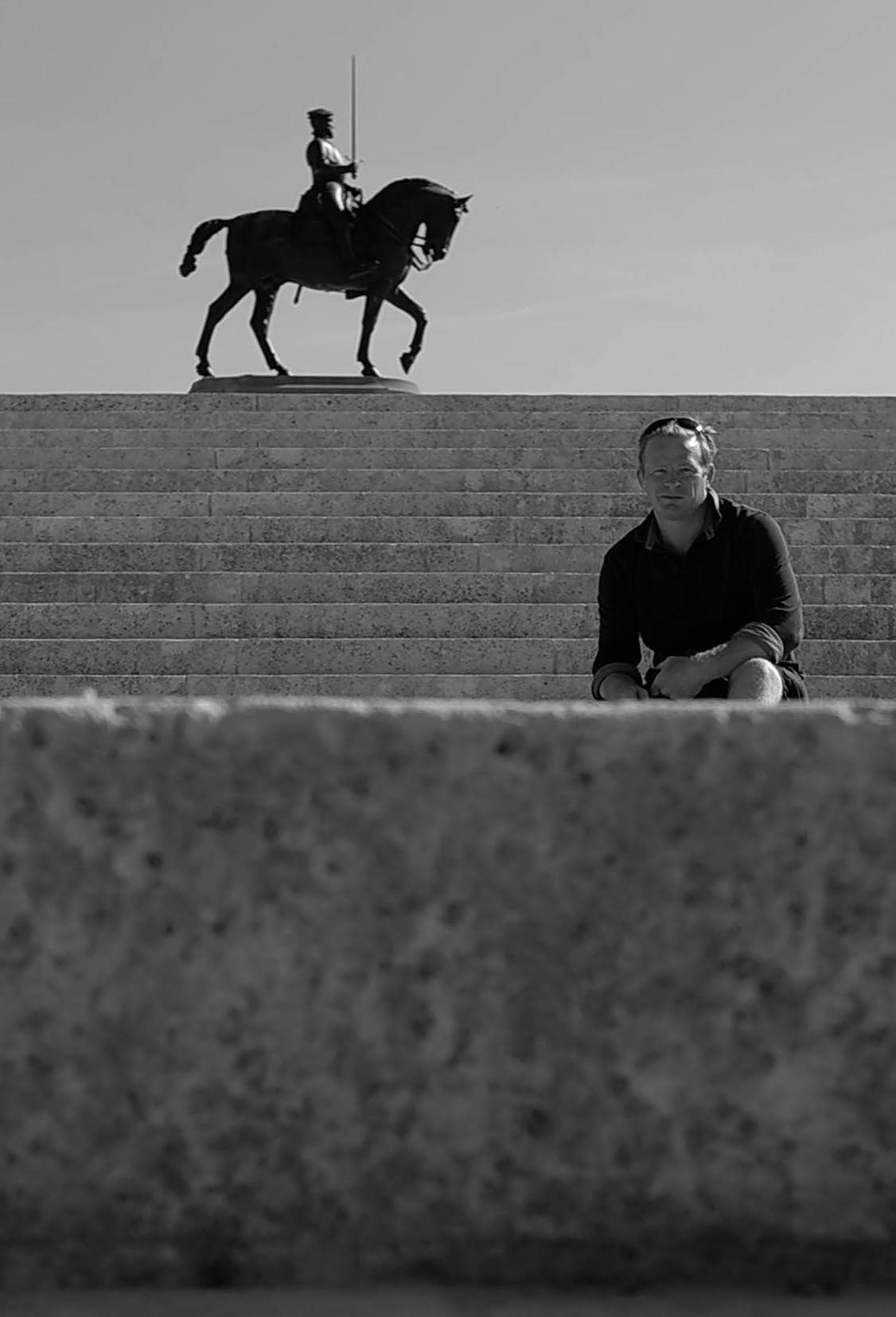
I am an independent researcher and author based between the two historic counties of Lancaster and Champagne. My early career brought me to Paris then Bordeaux and back teaching English and History to various age groups and business English to the wine trade.
My passion for military history took me to the Sorbonne in Paris and research into English intervention in the French Wars of Religion, 1562-1598. I have consequently accumulated over twenty years of experience translating French manuscripts and other texts into English.
During my research, it appeared that far too few history books in French have been translated into English. This specialised translation service offers a remedy.
Dr William A. Heap, PhDBA (Hons.) (Bangor),
MA, DÉA (Sorbonne),
PhD (Bangor)
Why Parley?
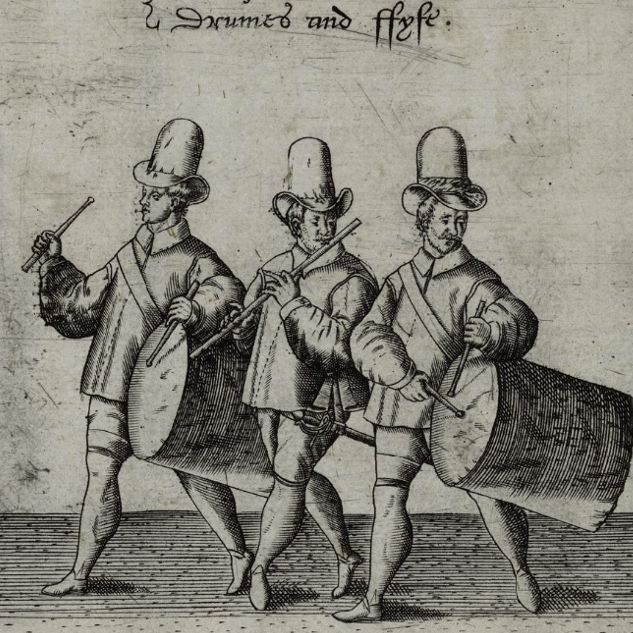
Henry Barrett in his A briefe booke unto private captaynes (1562) wrote that the drums and fifes should be ‘ingenious of sondery languages’,[1] that is to say, should know several languages because it was one of their functions to parley with the enemy. Drummers and fifers were relatively well paid. This reflected their skills, including the expectation that they could speak foreign languages, i.e. French. In Picardy, in 1596/97, English drummers received 2s per day when ordinary soldiers were paid only 8d.[2]
[1] John HALE (ed.), On a Tudor Parade Ground: The Captain’s Handbook of Henry Barrett 1562 (London, 1978), p.40.
[2] John DASENT (ed.), Acts of the Privy Council (London, 1902), Vol.XXVI, pp.216-217; Richard WERNHAM (ed.), List and Analysis of State Papers, Foreign Series, Elizabeth I (London, 2000), Vol.VII, p.192.
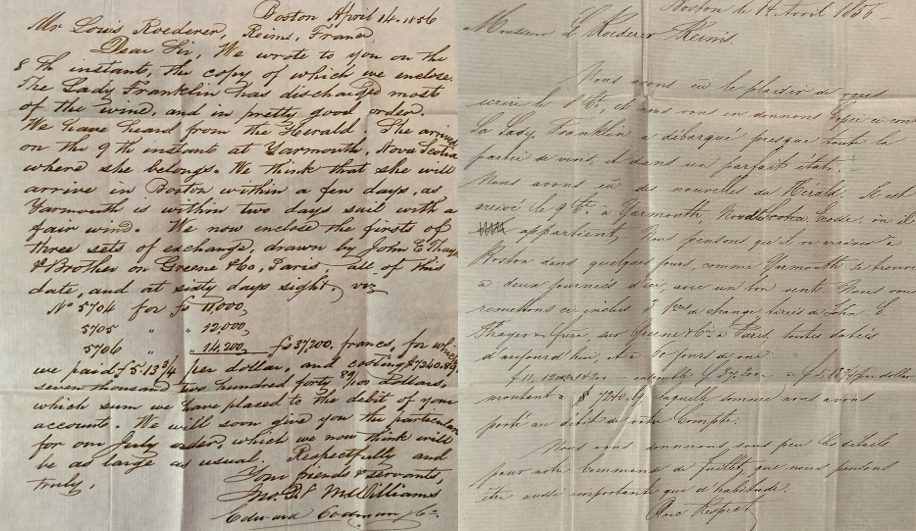
Translating in the wine trade
A letter addressed and translated to Monsieur Louis Roederer, Reims, 14 April, 1856 offers a rare glimpse at the work of the translator.
©William A. Heap/Parley Translations